Wednesday, January 13, 2021

Ayurveda tips 6 effective home remedies for cold, cough, sore throat in cold days: Ayurveda Tips: ठंड के दिनों में सर्दी, खांसी, गले की खराश से हैं परेशान? इन असरदार आयुर्वेदिक नुस्खों से पा सकते हैं राहत

Echinacea seems to be most effective if you take it when you notice cold symptoms and continue it for seven to 10 days. It appears to be safe for healthy adults, but it can interact with many drugs. Check with your health care provider before taking echinacea or any other supplement. Cold sores are caused by an outbreak of the herpes simplex virus. For the most part, the virus remains dormant, but certain triggers can cause flare-ups. Triggers usually include stress, a weakened immune system, infections and overexposure to the sun.

cold sore diy home remedies

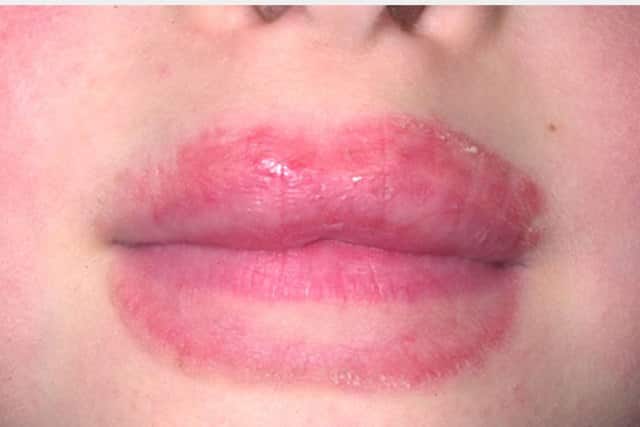
They can be painful, uncomfortable and downright unattractive, beginning as a blister and eventually forming a crust. Cold sores are commonly mistaken for canker sores, especially in children. If you ice cold sores when it firstly arrives, you can save the time that this infection hangs around.

I Have a Cold Sore — Did I Get It From Someone with Herpes?

Applying Witch Hazel extract on Cold sores has a soothing effect and helps get relief from the itching and burning sensation. Witch Hazel extract is one of the best home remedies for Cold sores. What started as a tender, tingling sensation at the edge of your mouth is now a full-blown cold sore, and you want to get rid of it as quickly as possible.

Over time, it breaks and oozes, then develop a yellow scab, with new skin growing underneath. They’re caused by the herpes simplex virus, which spreads easily from person to person. To avoid some of these triggers, you should practice stress-busting techniques, such as meditation, exercise, reading, or yoga. You should also void salty foods and acidic, such as citrus fruits or potato chips because they can irritate cold sores further and worsen the pain. InterceptCS™ was made to be easy-to-use, functional and effective. Enjoy fast, powerful relief of cold sores without harmful side effects, prescriptions, or visits to the doctor.

Increase Your Intake Of Vitamin E

If you use a face towel or cold compress, put it directly in the dirty laundry pile afterward. More than half of people in the U.S. have been infected with the virus that causes cold sores. Between 20 and 40% of them will experience the joy that is a cold sore. If you want to get real solutions for cold sores, you should find useful treatment for cold soresand ways to treat cold sore permanentlyto get more knowledge.

cold sore diy home remedies

Licorice root powder is one of the best home remedies for Cold sores. An important ingredient in Licorice powder is a substance known as Glycyrhizic acid, which has the power to combat the virus causing the Cold sores and halt its progress. It has natural antiviral and anti-inflammatory properties.

Here’s How You Can Get Rid of a Cold Sore (Fast!)

This will help to ensure it doesn’t develop into a severe cold sore. At the earliest sign of a cold sore try applying a cooled but still damp tea bag. Leave it on the affected area for around ten minutes and repeat three or four times a day. This should reduce both the severity and duration of your cold sore.
cold sore diy home remedies

Cold sores are sometimes called fever blisters because of the way they look. They’re generally caused by the Herpes Simplex Virus and around two-thirds of adults over the age of 50 will experience them. This is a virus which doesn’t always produce symptoms, in fact, only 30% of people with the virus will experience any signs of infection. A cold sore looks like a blister, and it usually lasts for seven to 10 days, at which time it’s contagious.

Boost Your Immune System

Or, as an alternative, a compress made of a lemon balm infusion may provide similar benefits. Another benefit of home remedies is that they tend to be very cost-effective. Oftentimes, you probably have most, if not all, of the ingredients needed to make a home remedy in your kitchen cabinets or pantry. Wash your hands frequently with soap and lukewarm water to prevent the spread of infection. Do not use lipsticks, spoons, drinking cups, lip balms, straws, towels, etc. that have been used by the infected person. The company offers preventive treatment with a prescription that lasts for 1 year or immediate treatment for current herpes flare-ups.

cold sore diy home remedies

To use this remedy, mix 1 teaspoon of licorice root powder with 1 tablespoon of water to form a paste. Apply the paste to your cold sore using a cotton swab and leave it on overnight. Rinse off in the morning and repeat every night until your cold sore has healed. Vanilla extract is a natural remedy for cold sores that many people swear by. It makes your cold sores hard to kill virus, wipes the virus out and lessens severity of the outbreak. To start, you need to prepare a cotton pad and vanilla extract.

When you’re first exposed to the virus, you’re likely to get a cold sore. You may never have another cold sore outbreak again, but many people do. The virus also can spread to the eyes or the genitals. For example, if you rub your eyes after getting saliva from an infected person on your hands, or if you receive oral sex from someone who has cold sores. Research has found that peppermint oil is effective at fighting cold sores. The same gel used for sunburn may help a cold sore to heal.

If you already have a cold sore, prevent the spread of infection by keeping the area clean and leaving it alone. It’s also important that you avoid kissing anyone while you have a blister, and don’t share utensils, glasses or towels that make contact with your mouth. If a cold sore persists longer than a week, and there are no signs of breakage or crusting, it’s wise to call your health care provider. You may also want to notify your dentist or physician if a sore makes it hard for you to talk or swallow, if you develop a fever, or if you experience a second outbreak of blisters.

However, its important to know that you can still spread the virus long after a cold sore heals as well as when a blister isnt even present. Honey is a popular home remedy for cough and colds in many cultures. A new study in the Archives of Pediatrics and Adolescent Medicine provides the first evidence showing that honey may help to calm children's coughs and help them sleep better.

cold sore diy home remedies

This means that being stressed increases the risk of a breakout and can bring the virus out of dormancy. You can try mediation, regular exercise, breathing exercises, and mindfulness activities to help bring your stress levels down. Our team aims to be not only thorough with its research, but also objective and unbiased. Also, you should learn some simple skin care routinesto protect your skin and lips against infections.

Home Remedies To Treat A Burn

The antiviral properties of propolis could make it a candidate for healing your cold sores a little more quickly, 2016 research suggests. Earwax is the simplest remedy for curing cold sores. Though, this remedy is somewhat messy, but effective. Earwax has anti-herpes, anti-micrococcus, and anti-staphylococcal properties. It will stop the tingling on lips, caused due to cold sores.

cold sore diy home remedies

Earl Grey tea bags seem to be the most effective but any tea bag will do. Not only that, but it’s thought to help reduce the risk of future breakouts too! You’re best using a cream with at least SPF 30 as these will provide better protection than those with a lower SPF rating. Make sure you apply it any time you go out in the sun. Lemon balm is, maybe surprisingly, a member of the mint family.


Wednesday, September 2, 2020

List Of Will Dentist Remove Tooth With Infection Ideas

Your first tooth extraction — what to expect Cornerstone Family
Your first tooth extraction — what to expect Cornerstone Family from cornerstonefamilydentistry.ca

Are you experiencing pain and discomfort in your tooth due to an infection? Are you wondering if a dentist will remove a tooth with an infection? Read on to find out the answer to this common dental question.

Dealing with a tooth infection can be extremely painful and can have a negative impact on your daily life. The throbbing pain, sensitivity to hot and cold, and difficulty in eating can make even the simplest tasks unbearable. It's important to address this issue as soon as possible to alleviate the pain and prevent further complications.

The answer to the question "Will a dentist remove a tooth with an infection?" is not a simple yes or no. In some cases, a dentist may decide to remove the infected tooth, while in other cases, they may opt for alternative treatments such as root canal therapy or antibiotics. The decision will depend on various factors, including the severity of the infection, the condition of the tooth, and the overall dental health of the patient.

Here are the main points to consider regarding the removal of a tooth with an infection:

- Dentists may recommend tooth extraction if the infection has severely damaged the tooth and it cannot be saved through other treatments. - Root canal therapy may be an alternative option to remove the infection and save the tooth. - Antibiotics may be prescribed to control the infection before any dental procedure can be performed. - It is essential to consult with a dentist to determine the best course of action for your specific situation.

Personal Experience with Tooth Infection and Dentist's Decision

Last year, I experienced a severe tooth infection that caused excruciating pain. I visited my dentist, who examined the tooth and took X-rays to assess the extent of the infection. After careful consideration, my dentist recommended a root canal procedure to save the tooth. The procedure was successful, and I am now free from pain and enjoying a healthy tooth.

When a tooth becomes infected, it means that bacteria have entered the innermost part of the tooth, called the pulp. This can happen due to tooth decay, a cracked tooth, or trauma. If left untreated, the infection can spread to the surrounding tissues and lead to abscess formation, bone loss, and even systemic infections.

During a root canal procedure, the dentist removes the infected pulp, cleans the inside of the tooth, and seals it to prevent further infection. This treatment allows the tooth to remain in the mouth and continue to function normally. In some cases, a dental crown may be placed on the tooth to provide additional strength and protection.

History and Myth of Tooth Extraction for Infection

Throughout history, tooth extraction has been a common treatment for tooth infections. In the past, dentistry was not as advanced as it is today, and the removal of infected teeth was often the only option. However, with advancements in dental techniques and technologies, dentists can now save infected teeth in many cases.

There is a common myth that extracting the tooth is the only solution for a tooth infection. This misconception may stem from outdated information or fear of dental procedures. It is important to consult with a qualified dentist to determine the best treatment plan for your specific situation.

The Hidden Secret of Saving Infected Teeth

The hidden secret to saving infected teeth lies in early detection and prompt treatment. Regular dental check-ups and good oral hygiene practices can help identify issues before they escalate into severe infections. Taking care of your teeth through proper brushing, flossing, and regular dental visits can go a long way in preventing tooth infections and the need for tooth extraction.

Additionally, dentists have access to advanced techniques and treatments that can effectively remove the infection and save the tooth. Root canal therapy, for example, has a high success rate in treating infected teeth and can provide long-term relief.

Recommendations for Dealing with Tooth Infections

If you suspect a tooth infection, it is crucial to seek professional dental care as soon as possible. Here are some recommendations for dealing with tooth infections:

- Schedule an appointment with your dentist to assess the situation. - Follow any prescribed antibiotic treatment to control the infection. - Discuss all treatment options with your dentist and make an informed decision. - Practice good oral hygiene to prevent future infections.

Understanding the Importance of Dental Health

Dental health plays a significant role in our overall well-being. Ignoring dental issues, such as tooth infections, can lead to severe pain, discomfort, and further complications. It is essential to prioritize dental care and seek professional help when needed to ensure a healthy and pain-free smile.

Tips for Preventing Tooth Infections

Tooth infections can be prevented by following these simple tips:

- Brush your teeth at least twice a day with fluoride toothpaste. - Floss daily to remove plaque and food particles from between your teeth. - Limit your intake of sugary foods and drinks. - Visit your dentist regularly for check-ups and cleanings.

Question and Answer

Q: Can a dentist save an infected tooth?
A: Yes, a dentist can save an infected tooth through treatments such as root canal therapy.

Q: Is tooth extraction the only option for a tooth infection?
A: Tooth extraction is not always necessary for a tooth infection. Dentists will explore alternative treatments before considering extraction.

Q: How long does it take to recover from a root canal procedure?
A: The recovery time after a root canal procedure can vary from person to person. It may take a few days to a week to fully recover.

Q: Can antibiotics alone cure a tooth infection?
A: Antibiotics alone may not be sufficient to cure a tooth infection. They are often prescribed alongside other dental treatments.

Conclusion of Will Dentist Remove Tooth with Infection

In conclusion, whether a dentist will remove a tooth with an infection depends on several factors. Dentists will consider the severity of the infection, the condition of the tooth, and the overall dental health of the patient. Saving the tooth through treatments like root canal therapy is often the preferred option. It is crucial to consult with a dentist to determine the best course of action for your specific situation. Remember, early detection and prompt treatment are key to preventing severe tooth infections and the need for tooth extraction.

Famous Are Orthodontist And Dentist The Same Ideas

What is an Orthodontist Vs a Dentist What's The Difference?
What is an Orthodontist Vs a Dentist What's The Difference? from kheranidentalataspen.com

Are Orthodontist and Dentist the Same? Unveiling the Truth in 2023

When it comes to oral health, many people often question whether orthodontists and dentists are the same. It's a common misconception that these two professions offer identical services. However, understanding the difference between an orthodontist and a dentist is crucial for receiving the appropriate treatment for your dental needs.

An orthodontist and a dentist both work to improve oral health, but their areas of expertise and the services they provide differ significantly. While a dentist focuses on overall oral health, including teeth cleanings, fillings, and root canals, an orthodontist specializes in diagnosing and treating misalignments of the teeth and jaws. This distinction is essential because it determines the type of care you need and the professional who can provide it.

Understanding the Role of an Orthodontist

An orthodontist is a dental specialist who focuses on correcting dental irregularities, such as crooked teeth, overcrowding, and bite issues. They use various techniques, including braces, aligners, and other appliances, to straighten teeth and align the jaws properly. Orthodontic treatment not only enhances the appearance of the smile but also improves oral function and overall dental health.

Orthodontic treatments can address a wide range of issues, including overbite, underbite, crossbite, open bite, and gaps between teeth. By using advanced techniques and technology, orthodontists can create a customized treatment plan to achieve optimal results for each patient.

The History and Myth of Orthodontics and Dentistry

The field of orthodontics has a rich history dating back thousands of years. Ancient Egyptians, Greeks, and Romans were known to use various methods to straighten teeth and improve dental aesthetics. However, it wasn't until the 19th century that orthodontics emerged as a distinct dental specialty.

Over time, myths and misconceptions about orthodontics and dentistry have arisen. One common myth is that orthodontic treatment is only for children and teenagers. In reality, orthodontic treatment can benefit individuals of all ages, as long as their teeth and gums are healthy.

The Hidden Secrets of Orthodontics and Dentistry

While orthodontics and dentistry may seem similar, there are hidden secrets that set them apart. The main difference lies in their area of focus. Dentistry primarily deals with oral health and treating various dental conditions, while orthodontics specifically focuses on correcting misalignments and improving the overall appearance of the teeth and jaws.

Another secret is that orthodontic treatment can have long-lasting benefits beyond aesthetics. Properly aligned teeth are easier to clean, reducing the risk of tooth decay, gum disease, and other oral health issues. Additionally, correcting bite problems can improve speech, chewing, and overall comfort.

Recommendations for Choosing the Right Professional

If you're seeking dental treatment, it's essential to choose the right professional for your needs. For routine dental care, such as cleanings and fillings, a general dentist is typically sufficient. However, if you have misaligned teeth or bite issues, consulting an orthodontist is recommended. They have the specialized knowledge and experience to provide the appropriate orthodontic treatment tailored to your specific needs.

Exploring the Benefits of Orthodontic Treatment

Orthodontic treatment offers numerous benefits beyond just straightening teeth. It can improve oral health, boost self-confidence, and enhance overall quality of life. By addressing misalignments and bite issues, orthodontic treatment can also prevent future dental problems, such as worn teeth, jaw pain, and TMJ disorders.

Tips for Maintaining Good Oral Health

To maintain good oral health, it's crucial to practice proper dental hygiene. Brushing your teeth at least twice a day, flossing regularly, and visiting your dentist for regular check-ups are essential habits to keep your teeth and gums healthy. Additionally, avoiding harmful habits such as smoking and excessive consumption of sugary foods and drinks can help prevent dental issues.

Common Questions about Orthodontists and Dentists

1. Can a general dentist provide orthodontic treatment?

No, orthodontic treatment requires specialized training and experience that general dentists do not typically have.

2. How long does orthodontic treatment usually take?

The duration of orthodontic treatment varies depending on the complexity of the case, but it typically ranges from one to three years.

3. Can adults benefit from orthodontic treatment?

Absolutely! Orthodontic treatment can benefit individuals of all ages, as long as their teeth and gums are healthy.

4. Are orthodontic treatments painful?

While some discomfort is normal during orthodontic treatment, modern techniques and advancements have made the process much more comfortable than in the past.

Conclusion of Orthodontists and Dentists

In conclusion, orthodontists and dentists are not the same. While both professions contribute to oral health, an orthodontist specializes in correcting misalignments and bite issues, while a dentist focuses on overall oral health and treating dental conditions. Understanding the distinction between these two professions is crucial to receiving the appropriate care for your specific needs. Whether you're seeking routine dental treatment or orthodontic correction, consulting the right professional will ensure optimal oral health and a beautiful smile.

Tuesday, September 1, 2020

The Best How Can You Become A Dentist References

How To A Dental Hygienist Dental hygienist, Dental hygiene
How To A Dental Hygienist Dental hygienist, Dental hygiene from www.pinterest.com

Are you interested in a career in dentistry? Do you want to know how can you become a dentist? If so, you're in the right place. In this article, we will explore the steps and requirements to become a dentist, as well as provide some valuable tips and insights. Whether you're just starting your journey or looking to switch careers, this guide will help you navigate the path to becoming a dentist.

Many people dream of becoming a dentist, but they may be unsure of where to start or what it takes to achieve this goal. The process of becoming a dentist can be challenging and time-consuming, requiring years of education and training. Additionally, the cost of dental school and the competitive nature of the field can be daunting. However, with dedication and hard work, it is possible to achieve your dream of becoming a dentist.

To become a dentist, you must first complete a bachelor's degree, preferably in a science-related field. After completing your undergraduate education, you will need to take the Dental Admission Test (DAT) and apply to dental school. Dental school typically takes four years to complete and includes both classroom and clinical training. Once you have graduated from dental school, you will need to obtain a license to practice dentistry in your state. This typically involves passing a written and practical exam.

In summary, the path to becoming a dentist involves completing a bachelor's degree, taking the Dental Admission Test, attending dental school, and obtaining a license to practice. It is a challenging and demanding journey, but for those with a passion for oral health and a desire to help others, it can be incredibly rewarding.

Personal Experience: My Journey to Becoming a Dentist

From a young age, I knew I wanted to work in the healthcare field and make a difference in people's lives. After exploring various options, I discovered my passion for dentistry. I was fascinated by the intricacies of the oral cavity and the impact that oral health can have on a person's overall well-being.

During my undergraduate years, I focused on taking science courses and volunteering at dental clinics to gain hands-on experience. This allowed me to develop a strong foundation in the biological sciences and understand the importance of patient care. I also shadowed dentists and had the opportunity to observe various dental procedures.

After completing my bachelor's degree, I dedicated myself to preparing for the Dental Admission Test (DAT). I enrolled in a DAT preparation course and spent months studying and practicing sample questions. The DAT was challenging, but I was determined to achieve a competitive score to increase my chances of getting accepted into dental school.

Once accepted into dental school, the real journey began. The first two years of dental school focused on classroom lectures and laboratory work, covering topics such as anatomy, physiology, dental materials, and oral pathology. We also had the opportunity to work on mannequins and practice various dental procedures.

The final two years of dental school were spent in the clinic, where we treated real patients under the supervision of experienced faculty members. This was a transformative experience, as it allowed me to apply the knowledge and skills I had learned in a real-world setting. I gained confidence in my abilities and developed strong relationships with my patients.

After graduating from dental school, I obtained my license to practice dentistry and began working at a dental clinic. I continue to expand my knowledge and skills through continuing education courses and staying up-to-date with the latest advancements in dentistry.

Becoming a dentist has been a challenging and rewarding journey. It requires dedication, perseverance, and a genuine passion for helping others. If you are considering a career in dentistry, I encourage you to explore this path further and see where it takes you.

What Is Dentistry?

Dentistry is a branch of healthcare that focuses on the prevention, diagnosis, and treatment of oral diseases and conditions. Dentists are oral healthcare professionals who specialize in providing comprehensive dental care to patients of all ages. They play a crucial role in maintaining and improving oral health, which is essential for overall well-being.

As a dentist, you will be responsible for performing various dental procedures, such as dental cleanings, fillings, extractions, and root canals. You will also educate patients on proper oral hygiene practices and provide guidance on maintaining a healthy smile. Dentistry is a dynamic field that is constantly evolving, with new technologies and treatment options emerging regularly.

Being a dentist requires a strong scientific background, excellent manual dexterity, and effective communication skills. It is a challenging yet rewarding profession that allows you to make a positive impact on people's lives. If you have a passion for oral health and enjoy working with your hands, dentistry may be the right career choice for you.

The History and Myth of Dentistry

The history of dentistry dates back thousands of years, with evidence of dental treatments found in ancient civilizations such as Egypt, Greece, and China. In these early societies, dental care was often provided by barbers, blacksmiths, and other individuals who had some knowledge of oral health.

Over the centuries, dentistry evolved as a distinct profession with advancements in dental techniques and tools. The invention of the dental drill in the 18th century revolutionized dental procedures, making them more efficient and less painful. In the 19th century, the establishment of dental schools and professional organizations further contributed to the development of dentistry as a recognized field.

Throughout history, dentistry has also been surrounded by myths and misconceptions. One common myth is that sugar is the sole cause of tooth decay. While sugar can contribute to tooth decay, it is not the only factor. Poor oral hygiene, genetics, and other dietary factors also play a role in the development of cavities.

Another myth is that baby teeth are not important because they will eventually be replaced by permanent teeth. In reality, baby teeth serve several important functions, including helping with speech development, guiding the eruption of permanent teeth, and maintaining space for proper dental alignment.

As dentistry continues to advance, it is important to separate fact from fiction and stay informed about the latest research and recommendations. Dentists play a crucial role in dispelling myths and educating their patients about proper oral health practices.

The Hidden Secrets of Dentistry

While dentistry may seem straightforward on the surface, there are hidden secrets and lesser-known aspects of the profession. One hidden secret is the impact of oral health on overall health. Research has shown that poor oral health is linked to various systemic conditions, including heart disease, diabetes, and respiratory infections. Dentists have a unique opportunity to not only treat oral diseases but also contribute to the overall well-being of their patients.

Another hidden secret is the role of technology in modern dentistry. From digital imaging and 3D printing to laser dentistry and virtual reality, technology has transformed the way dental care is delivered. These advancements allow for more precise diagnoses, faster treatment times, and improved patient comfort.

Additionally, dentistry offers a wide range of career options beyond private practice. Dentists can choose to specialize in areas such as orthodontics, oral surgery, pediatric dentistry, or public health. They can also pursue academic or research positions, working in universities or dental schools.

These hidden secrets of dentistry highlight the diverse opportunities and potential impact that a career in dentistry can offer. It is a constantly evolving field that requires continuous learning and adaptation to stay at the forefront of oral healthcare.

Recommendations for Becoming a Dentist

If you are considering a career in dentistry, here are some recommendations to help you on your journey:

  1. Start early: Begin exploring your interest in dentistry early on by shadowing dentists, volunteering at dental clinics, or participating in science-related activities.
  2. Focus on science: Take science courses in high school and college to build a strong foundation in biology, chemistry, and physics.
  3. Prepare for the DAT: The Dental Admission Test (DAT) is a crucial step in the dental school application process. Start preparing early by using study guides, taking practice tests, and enrolling in DAT preparation courses if needed.
  4. Research dental schools: Look into different dental schools and their requirements. Consider factors such as location, curriculum, faculty, and cost.
  5. Gain experience: Seek opportunities to gain hands-on experience in the dental field. This can include volunteering at dental clinics, working as a dental assistant, or participating in research projects.
  6. Network: Connect with dentists, dental school faculty, and current dental students to learn more about the profession and get advice.
  7. Stay motivated: The path to becoming a dentist can be challenging, but don't let obstacles deter you. Stay motivated, set goals, and surround yourself with a support system.

By following these recommendations, you can increase your chances of success and make the most of your journey to becoming a dentist.

Exploring the Field of Dentistry

Dentistry is a diverse field with numerous specialties and areas of focus. Here are some key areas within dentistry:

  1. Orthodontics: Orthodontists specialize in the diagnosis and treatment of dental and facial irregularities, such as misaligned teeth and jaws.
  2. Endodontics: Endodontists focus on the prevention, diagnosis, and treatment of diseases and injuries of the dental pulp and surrounding tissues.

List Of How To Pay Dentist With Insurance 2023

Get Dental Insurance Dental insurance, Affordable dental, Preventive care
Get Dental Insurance Dental insurance, Affordable dental, Preventive care from www.pinterest.com

Are you struggling with how to pay your dentist with insurance? Don't worry, you're not alone. Many people find the process confusing and overwhelming. But with a little knowledge and preparation, you can navigate the world of dental insurance with ease.

One of the biggest pain points when it comes to paying your dentist with insurance is understanding what is covered and what isn't. Dental insurance plans can vary widely in terms of coverage, deductibles, and co-pays. It can be frustrating to receive a bill for services you thought were covered, or to be surprised by unexpected out-of-pocket costs.

The key to successfully paying your dentist with insurance is to first understand your coverage. Start by reviewing your policy documents or contacting your insurance provider to get a clear understanding of what procedures and services are covered, and what your financial responsibilities will be. This will help you avoid any surprises and ensure that you are prepared to pay for your dental care.

In summary, paying your dentist with insurance can be a complex process, but with a little knowledge and preparation, you can navigate it with ease. Start by understanding your coverage and financial responsibilities, and don't be afraid to reach out to your insurance provider for clarification. By being proactive and informed, you can ensure that your dental care is covered and avoid any unexpected out-of-pocket costs.

How to Pay Your Dentist with Insurance: A Personal Experience

When I first started using dental insurance, I was overwhelmed by the process of paying my dentist. I had no idea what was covered and what wasn't, and I was worried about unexpected costs. But after doing some research and speaking with my insurance provider, I was able to navigate the system with ease.

One of the first things I did was review my coverage. I carefully read through my policy documents and made note of what services were covered and what my financial responsibilities would be. This helped me understand what to expect and avoid any surprises. I also reached out to my insurance provider to ask questions and get clarification on anything I didn't understand.

When it came time to visit the dentist, I made sure to bring my insurance card and any necessary paperwork. This helped streamline the payment process and ensure that my insurance was billed correctly. After my appointment, I received an Explanation of Benefits (EOB) from my insurance provider, which detailed the services I received, the amount covered by insurance, and any remaining balance that I was responsible for.

Overall, paying my dentist with insurance was a much smoother process than I anticipated. By taking the time to understand my coverage and ask questions, I was able to navigate the system with ease and avoid any unexpected costs.

What is Dental Insurance and How Does it Work?

Dental insurance is a type of insurance coverage that helps pay for dental care. It typically covers a portion of the cost of preventive care, such as cleanings and exams, as well as other services like fillings, extractions, and root canals. However, coverage can vary depending on the specific insurance plan.

When you have dental insurance, you typically pay a monthly premium to the insurance company. In return, the insurance company helps cover the cost of your dental care, up to a certain limit. This limit is known as the annual maximum, and it varies depending on your insurance plan.

When you visit the dentist, you will typically pay a portion of the cost of your care, known as a co-pay or co-insurance. The insurance company will then pay their portion directly to the dentist. If there is a remaining balance after the insurance payment, you will be responsible for paying that amount out of pocket.

It's important to note that dental insurance often has limitations and exclusions. For example, cosmetic procedures may not be covered, or there may be waiting periods for certain services. It's important to review your policy documents or contact your insurance provider to understand what is covered and what is not.

The History and Myth of Dental Insurance

Dental insurance has a long history, dating back to the early 20th century. The first dental insurance plan was introduced in 1954 by the American Dental Association (ADA), and it provided coverage for basic dental services. Over the years, dental insurance has evolved and expanded to cover a wider range of services.

One common myth about dental insurance is that it is not worth the cost. Some people believe that the monthly premiums are too high, and that the coverage is too limited to justify the expense. However, dental insurance can be a valuable tool for managing the cost of dental care.

While dental insurance may not cover every procedure or service, it can help offset the cost of preventive care and other common dental treatments. By using dental insurance, you can save money on routine cleanings, exams, and fillings, and protect yourself from unexpected expenses.

The Hidden Secrets of Dental Insurance

There are a few hidden secrets of dental insurance that can help you make the most of your coverage. One secret is that many dental insurance plans offer free or discounted preventive care. This means that routine cleanings, exams, and X-rays may be fully covered or available at a reduced cost.

Another secret is that dental insurance often covers a portion of the cost of major procedures, such as crowns, bridges, and dentures. While you may still have to pay a significant portion out of pocket, the insurance coverage can help make these treatments more affordable.

Finally, many dental insurance plans offer a network of preferred providers. These are dentists who have agreed to accept reduced fees for services in exchange for being included in the insurance network. By choosing a preferred provider, you can often save money on your dental care.

Recommendations for Paying Your Dentist with Insurance

When it comes to paying your dentist with insurance, here are a few recommendations to keep in mind:

  1. Review your coverage: Take the time to understand what is covered by your insurance plan and what your financial responsibilities will be.
  2. Ask questions: If you're unsure about something, don't be afraid to ask your insurance provider or dentist for clarification.
  3. Choose a preferred provider: Consider choosing a dentist who is in your insurance network to save money on your dental care.
  4. Keep track of paperwork: Make sure to keep copies of your insurance card, policy documents, and any Explanation of Benefits (EOBs) you receive.

By following these recommendations, you can navigate the process of paying your dentist with insurance with ease and confidence.

Understanding Dental Insurance Terminology

When it comes to dental insurance, there are a few key terms to be familiar with:

  • Premium: The amount you pay each month for your insurance coverage.
  • Co-pay: The portion of the cost of your dental care that you are responsible for paying.
  • Co-insurance: Similar to a co-pay, this is the percentage of the cost of your care that you are responsible for paying.
  • Annual maximum: The maximum amount that your insurance will pay for your dental care in a calendar year.
  • Waiting period: The amount of time you must wait before certain services or procedures are covered.

By understanding these terms, you can better navigate the world of dental insurance and ensure that you are getting the most out of your coverage.

Tips for Paying Your Dentist with Insurance

Here are a few tips to help you navigate the process of paying your dentist with insurance:

  1. Know your coverage: Take the time to understand what is covered by your insurance plan and what your financial responsibilities will be.
  2. Ask for estimates: Before undergoing any major dental work, ask your dentist for an estimate of the costs and check with your insurance provider to see what will be covered.
  3. Keep track of paperwork: Make sure to keep copies of your insurance card, policy documents, and any Explanation of Benefits (EOBs) you receive.
  4. Stay in-network: Choosing a dentist who is in your insurance network can help you save money on your dental care.

By following these tips, you can navigate the process of paying your dentist with insurance with ease and confidence.

Common Questions About Paying Your Dentist with Insurance

Q: How do I know if my dentist accepts my insurance?

A: You can check with your insurance provider or ask your dentist directly if they accept your insurance.

Q: What should I do if my insurance doesn't cover a procedure I need?

A: Talk to your dentist about alternative treatment options or payment plans that may be available.

Q: Can I use my dental insurance for cosmetic procedures?

A: Cosmetic procedures are often not covered by dental insurance, but it's best to check with your insurance provider to be sure.

Q: What should I do if I have a dispute with my insurance provider?

A: Contact your insurance provider directly to discuss the issue and try to resolve the dispute.

Conclusion

In conclusion, paying your dentist with insurance doesn't have to be a daunting task. By understanding your coverage, asking questions, and staying informed, you can navigate the process with ease

Monday, August 31, 2020

Incredible What To Do In Villefranche From A Cruise Ship Ideas

Cruise ship, Villefranche Sur Mer, Cote D'Azur, France Photograph by
Cruise ship, Villefranche Sur Mer, Cote D'Azur, France Photograph by from fineartamerica.com

If you're planning a cruise to Villefranche, you're in for a treat. This charming coastal town in the French Riviera offers a wealth of activities and attractions for cruise ship visitors. From exploring the historic old town to soaking up the sun on the beautiful beaches, there's something for everyone in Villefranche.

When it comes to what to do in Villefranche from a cruise ship, there are a few pain points that many travelers face. One of the biggest challenges is deciding how to make the most of your limited time in port. With so much to see and do, it can be overwhelming to choose just a few activities. Additionally, navigating the town and finding transportation can be a bit confusing for first-time visitors.

So, what should you do in Villefranche from a cruise ship? First and foremost, take some time to explore the charming old town. With its narrow, winding streets and colorful buildings, it's a delight to wander through. You can also visit the 16th-century Saint-Elme Citadel, which offers stunning views of the bay. If you're looking for some relaxation, head to the beaches and soak up the sun.

In summary, when it comes to what to do in Villefranche from a cruise ship, there are plenty of options to choose from. From exploring the historic old town to enjoying the beautiful beaches, there's something for everyone. Just be sure to plan ahead and make the most of your time in port.

What to Do in Villefranche from a Cruise Ship: A Personal Experience

During my recent cruise to Villefranche, I had the pleasure of exploring this charming town and discovering its hidden gems. As soon as I stepped off the ship, I was greeted by the breathtaking beauty of the bay and the colorful buildings of the old town.

One of the first things I did was visit the Saint-Elme Citadel, which is perched on top of a hill overlooking the bay. The views from the top were simply stunning, and it was a great way to get a sense of the town's layout. From there, I made my way down to the old town and spent hours wandering through its narrow streets, admiring the architecture and stopping in quaint boutiques.

Of course, no visit to Villefranche would be complete without a trip to the beach. I found a spot on Plage des Marinières, a lovely sandy beach with crystal clear waters. I spent the afternoon lounging in the sun, taking dips in the refreshing water, and enjoying the beautiful surroundings.

After a day of exploring and relaxation, I ended my visit with a delicious meal at one of the waterfront restaurants. I indulged in fresh seafood and a glass of local wine, savoring the flavors and soaking in the atmosphere.

Overall, my experience in Villefranche was unforgettable. From the charming old town to the stunning beaches, there's so much to see and do. Whether you're looking for history, relaxation, or simply a taste of French culture, Villefranche has it all.

What to Do in Villefranche from a Cruise Ship: Exploring the Town

When it comes to what to do in Villefranche from a cruise ship, exploring the town is a must. Start by wandering through the old town, with its narrow streets and colorful buildings. You'll find charming boutiques, art galleries, and cafes along the way, perfect for picking up souvenirs or enjoying a leisurely meal.

One of the highlights of the old town is the 16th-century Saint-Elme Citadel. This historic fortress offers stunning views of the bay and is a great spot for taking photos. You can also explore the museum inside the citadel, which provides insight into the town's history and maritime heritage.

Another must-see attraction in Villefranche is the Chapelle Saint-Pierre. This small chapel is decorated with beautiful frescoes by Jean Cocteau, a famous French artist. The vibrant colors and intricate designs make it a true masterpiece.

For those looking to relax and enjoy the sun, Villefranche has several beautiful beaches to choose from. Plage des Marinières and Plage de la Darse are both popular options, offering soft sand and clear blue waters. You can rent a sunbed and umbrella, or simply lay your towel on the sand and soak up the rays.

Overall, exploring the town of Villefranche is a must-do when visiting from a cruise ship. From the charming old town to the beautiful beaches, there's something for everyone to enjoy.

What to Do in Villefranche from a Cruise Ship: History and Myth

Villefranche is steeped in history and myth, making it a fascinating destination for cruise ship visitors. The town dates back to the 14th century and has been influenced by various cultures over the years, including the Romans, the Greeks, and the Italians.

One of the most intriguing aspects of Villefranche's history is its connection to pirates. The town was a hotspot for pirate activity in the 17th and 18th centuries, and many legends and myths surround the area. Tales of buried treasure and hidden caves still capture the imagination of visitors today.

Another interesting piece of history is the town's role as a naval base during World War II. Villefranche served as a safe harbor for Allied ships and submarines, and remnants of this era can still be seen today. The town's deep-water port and strategic location made it an ideal spot for military operations.

When it comes to myth, one of the most famous stories is the legend of Saint Peter's Cave. According to local folklore, the apostle Peter sought refuge in a cave in Villefranche while spreading the teachings of Christianity. The cave is said to have healing powers, and many visitors make a pilgrimage to it.

Overall, the history and myth of Villefranche add an extra layer of intrigue to the town. Whether you're a history buff or simply interested in local legends, there's plenty to discover.

What to Do in Villefranche from a Cruise Ship: Hidden Secrets

While Villefranche is a popular cruise ship destination, there are still hidden secrets to discover. One of these secrets is the charming Rue Obscure, a hidden passageway that dates back to the 13th century. The narrow, vaulted tunnel is a unique architectural feature and provides a glimpse into the town's medieval past.

Another hidden gem is the Jardin de la Paix, a peaceful garden tucked away in the heart of the old town. This tranquil oasis is the perfect place to escape the crowds and enjoy some quiet time. The garden is filled with beautiful flowers, sculptures, and a small pond.

If you're looking for a unique shopping experience, head to the Marché de la Poissonnerie. This bustling fish market is a favorite among locals, and you'll find an array of fresh seafood to choose from. You can even pick up some ingredients and try your hand at cooking a traditional French meal.

For those interested in art, a visit to the Villa Ephrussi de Rothschild is a must. This stunning mansion is surrounded by beautiful gardens and houses an impressive collection of art and antiques. The views from the villa's terrace are simply breathtaking.

Overall, Villefranche has its fair share of hidden secrets waiting to be discovered. Take the time to venture off the beaten path and you'll be rewarded with unique experiences and a deeper understanding of the town.

What to Do in Villefranche from a Cruise Ship: Recommendations

When it comes to recommendations for what to do in Villefranche from a cruise ship, there are a few must-see attractions that shouldn't be missed. One of these is the Villa Kerylos, a stunning recreation of an ancient Greek villa. The attention to detail is incredible, and you'll feel like you've stepped back in time.

Another recommendation is to take a boat tour of the bay. This is a great way to see the town from a different perspective and admire the beautiful coastline. You can also take a swim in the crystal-clear waters or try your hand at paddleboarding.

If you're a food lover, be sure to sample some of the local cuisine. The region is known for its fresh seafood, and you'll find an abundance of restaurants serving up delicious dishes. Don't forget to try the local specialty, socca, a thin pancake made from chickpea flour.

Lastly, if you have time, consider taking a day trip to nearby Nice. This vibrant city is just a short train ride away and offers a wealth of attractions, including the famous Promenade des Anglais and the colorful markets of the Old Town.

Overall, these recommendations will help you make the most of your time in Villefranche and ensure a memorable visit.

What to Do in Villefranche from a Cruise Ship: Exploring the Surrounding Area

While Villefranche itself offers plenty of attractions, there are also many opportunities for exploring the surrounding area. One popular option is to visit the nearby town of Eze, a medieval village perched on a hilltop. With its winding streets and stunning views, it's a photographer's paradise.

Another option is to take a trip to the glamorous city of Monaco. Just a short drive or train ride away, Monaco is known for its luxurious casinos, high-end

List Of What Cruise Lines Go To Easter Island Ideas

What Cruise Lines Go To Easter Island
What Cruise Lines Go To Easter Island from www.cruiseinfoclub.com

Looking for a breathtaking adventure in the middle of the Pacific? If you're dreaming of visiting the mysterious Easter Island, you might be wondering which cruise lines offer trips to this remote and enchanting destination. Well, you're in luck! In this article, we'll explore the cruise lines that go to Easter Island, so you can start planning your unforgettable journey.

Planning a trip to Easter Island can be a daunting task. With limited options available, it can be challenging to find the right cruise line that fits your preferences and budget. Additionally, the remote location of the island adds to the complexity of organizing a trip. But fear not, as we're here to guide you through the process and help you make an informed decision.

What Cruise Lines Go to Easter Island?

Several cruise lines offer trips to Easter Island, allowing you to experience the island's unique culture, stunning landscapes, and iconic stone statues known as Moai. Some of the popular cruise lines that visit Easter Island include:

1. Princess Cruises: Princess Cruises offers various itineraries that include Easter Island as a port of call. Their ships provide a comfortable and luxurious experience, with amenities such as onboard entertainment, fine dining, and enrichment programs.

2. Holland America Line: Holland America Line also includes Easter Island in some of its South America and Pacific cruises. Their ships offer a blend of elegance and relaxation, with activities like cooking classes, live music performances, and spa treatments.

3. Oceania Cruises: Oceania Cruises features Easter Island in select itineraries, allowing you to explore the island's archaeological wonders. Their ships provide a boutique-like experience, with gourmet dining options, personalized service, and enriching excursions.

4. Silversea Cruises: Silversea Cruises offers luxury voyages that include Easter Island. Their small ships provide an intimate setting, with spacious suites, personalized service, and gourmet cuisine.

5. Ponant: Ponant is a French cruise line that offers unique expeditions to Easter Island. Their ships provide an immersive experience, with expert guides, Zodiac excursions, and educational lectures.

These are just a few examples of the cruise lines that go to Easter Island. It's essential to check the itineraries, dates, and available amenities to choose the best option for your dream trip.

Exploring the Enchanting Easter Island

Imagine stepping foot on Easter Island, surrounded by the ancient Moai statues and breathtaking landscapes. The island's rich history and unique culture make it a truly mesmerizing destination. During your visit, you can explore the archaeological sites, learn about the island's Polynesian heritage, and witness the vibrant local traditions.

One of the highlights of an Easter Island cruise is the opportunity to witness the famous Ahu Tongariki, a platform adorned with 15 Moai statues. This iconic site offers a glimpse into the island's ancient past and is a must-see for any traveler.

As you explore the island, you'll also have the chance to interact with the friendly Rapa Nui people, who are the indigenous inhabitants of Easter Island. They will share their stories, traditions, and art, providing a deeper understanding of the island's unique heritage.

The History and Myth of Easter Island

Easter Island, also known as Rapa Nui, has fascinated explorers and historians for centuries. The island is famous for its monumental stone statues, the Moai, which were created by the Rapa Nui people between the 13th and 16th centuries. The purpose of these statues is still debated, with theories ranging from ancestral worship to representing important figures or chiefs.

The island's isolation and limited resources have contributed to its mysterious aura. According to legend, the statues were built using supernatural powers and were believed to protect the island from harm. The decline of the Rapa Nui civilization and the toppling of the Moai statues are also subjects of intrigue, with theories suggesting environmental degradation and societal collapse.

Today, Easter Island is a UNESCO World Heritage site and continues to captivate visitors with its intriguing history and enigmatic allure.

The Hidden Secrets of Easter Island

Beyond the famous Moai statues, Easter Island holds many hidden secrets waiting to be discovered. One such secret is the underground world of Ana Te Pahu, a lava tube cave system that stretches for kilometers beneath the surface. Exploring these caves offers a unique perspective on the island's geology and provides a glimpse into its volcanic past.

Another hidden gem is the Anakena Beach, a paradise-like stretch of white sand and crystal-clear waters. This idyllic beach is not only a perfect spot for relaxation but is also home to several restored Moai statues, creating a surreal and picturesque setting.

Exploring the lesser-known sites and hidden treasures of Easter Island will add a sense of adventure and discovery to your journey.

Recommended Cruise Lines for Easter Island

While there are several cruise lines that visit Easter Island, some may offer a more tailored experience to suit your preferences. If you're looking for luxury and personalized service, Silversea Cruises and Oceania Cruises are excellent options.

For those seeking a more immersive and educational experience, Ponant offers expedition cruises with expert guides and in-depth lectures about the island's history and culture.

Alternatively, if you're interested in a larger ship with a range of onboard amenities and entertainment options, Princess Cruises and Holland America Line are popular choices.

Ultimately, the best cruise line for your Easter Island adventure will depend on your personal preferences and budget.

Exploring Easter Island's Marine Life

While the focus of a trip to Easter Island is often on the island's cultural and historical sites, the surrounding waters offer a unique opportunity for marine exploration. Snorkeling and diving enthusiasts can discover vibrant coral reefs, exotic fish species, and even encounter sea turtles and dolphins.

Several cruise lines offer excursions that include snorkeling or diving opportunities, allowing you to experience the diverse marine life that inhabits the waters around Easter Island.

Tips for Your Easter Island Cruise

When planning your Easter Island cruise, there are a few tips that can help you make the most of your trip:

1. Research and compare cruise lines: Take the time to research different cruise lines and their itineraries to find the one that aligns with your preferences and budget.

2. Book in advance: Easter Island cruises can be in high demand, so it's advisable to book your trip well in advance to secure your spot.

3. Pack accordingly: As Easter Island has a subtropical climate, it's essential to pack lightweight and breathable clothing, sunscreen, and comfortable walking shoes.

4. Learn about the culture: Familiarize yourself with the customs and traditions of the Rapa Nui people to show respect and enhance your cultural experience.

Frequently Asked Questions about Easter Island Cruises

Q: How long does a typical Easter Island cruise last?

A: The duration of an Easter Island cruise can vary depending on the itinerary and cruise line. Most cruises range from 10 to 21 days.

Q: Can I visit Easter Island independently without a cruise?

A: Yes, it is possible to visit Easter Island independently by taking a flight from Santiago, Chile. However, organizing accommodations, transportation, and tours can be more challenging compared to a cruise.

Q: Are there any age restrictions for visiting Easter Island?

A: There are no specific age restrictions for visiting Easter Island. However, it's important to consider that some sites may involve walking or hiking, which may not be suitable for individuals with mobility issues.

Q: Can I see the Moai statues up close?

A: Yes, you can get up close to the Moai statues during your visit to Easter Island. However, it's important to respect the sites and follow any guidelines provided by the local authorities.

Conclusion of What Cruise Lines Go to Easter Island

Embarking on a cruise to Easter Island is a once-in-a-lifetime experience that allows you to immerse yourself in the island's captivating history, culture, and natural beauty. Whether you choose a luxury cruise, an expedition voyage, or a larger ship with abundant amenities, there is a cruise line that will suit your preferences and make your Easter Island adventure unforgettable.

Studio, 1 & 2 Bedroom Apartments in Dallas, TX Camden Design District

Table Of Content Camden Design District Apartments1551 Oak Lawn Ave, Dallas, TX 75207, USA Based on Camden Design District near Dallas Camde...